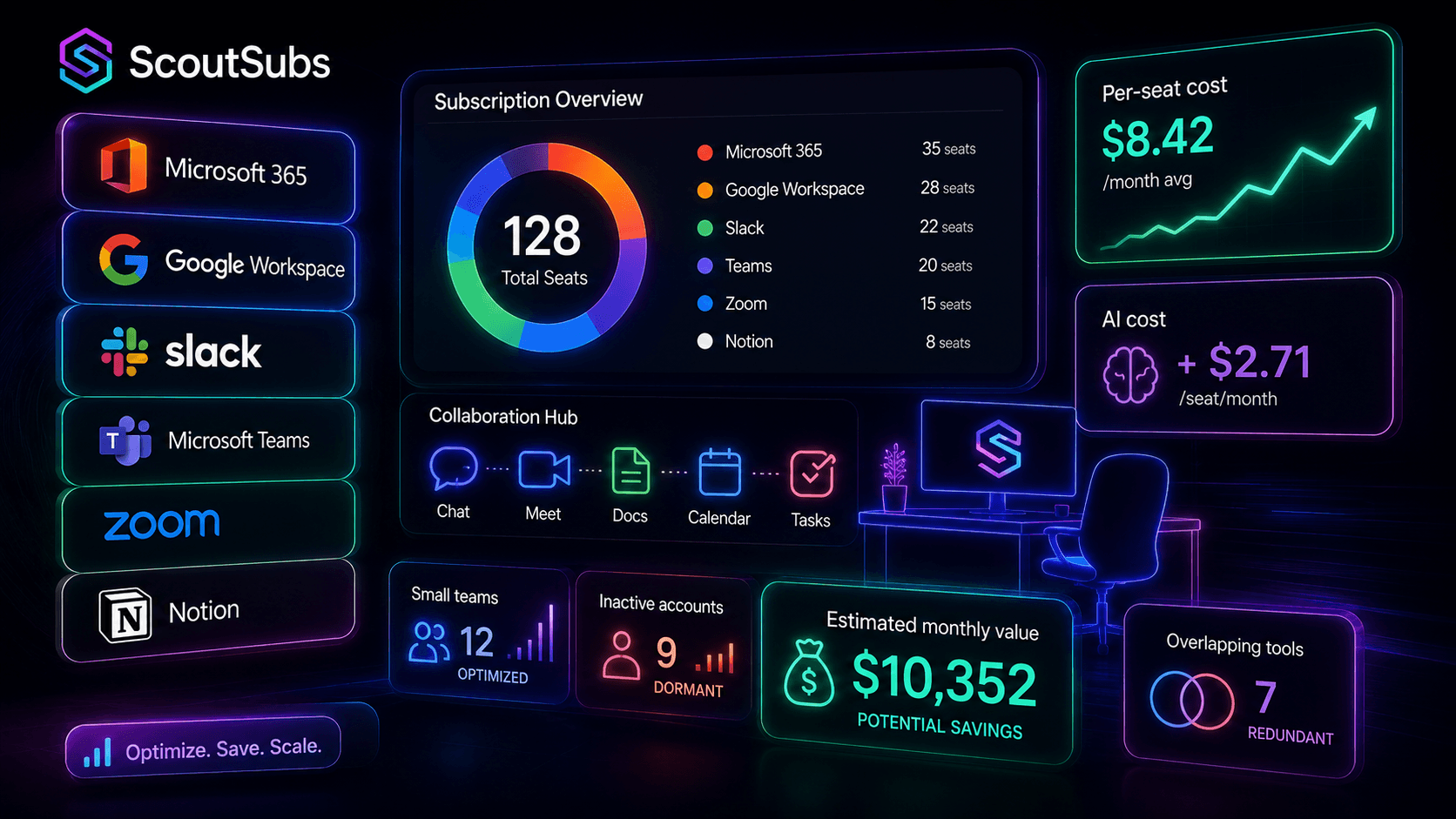
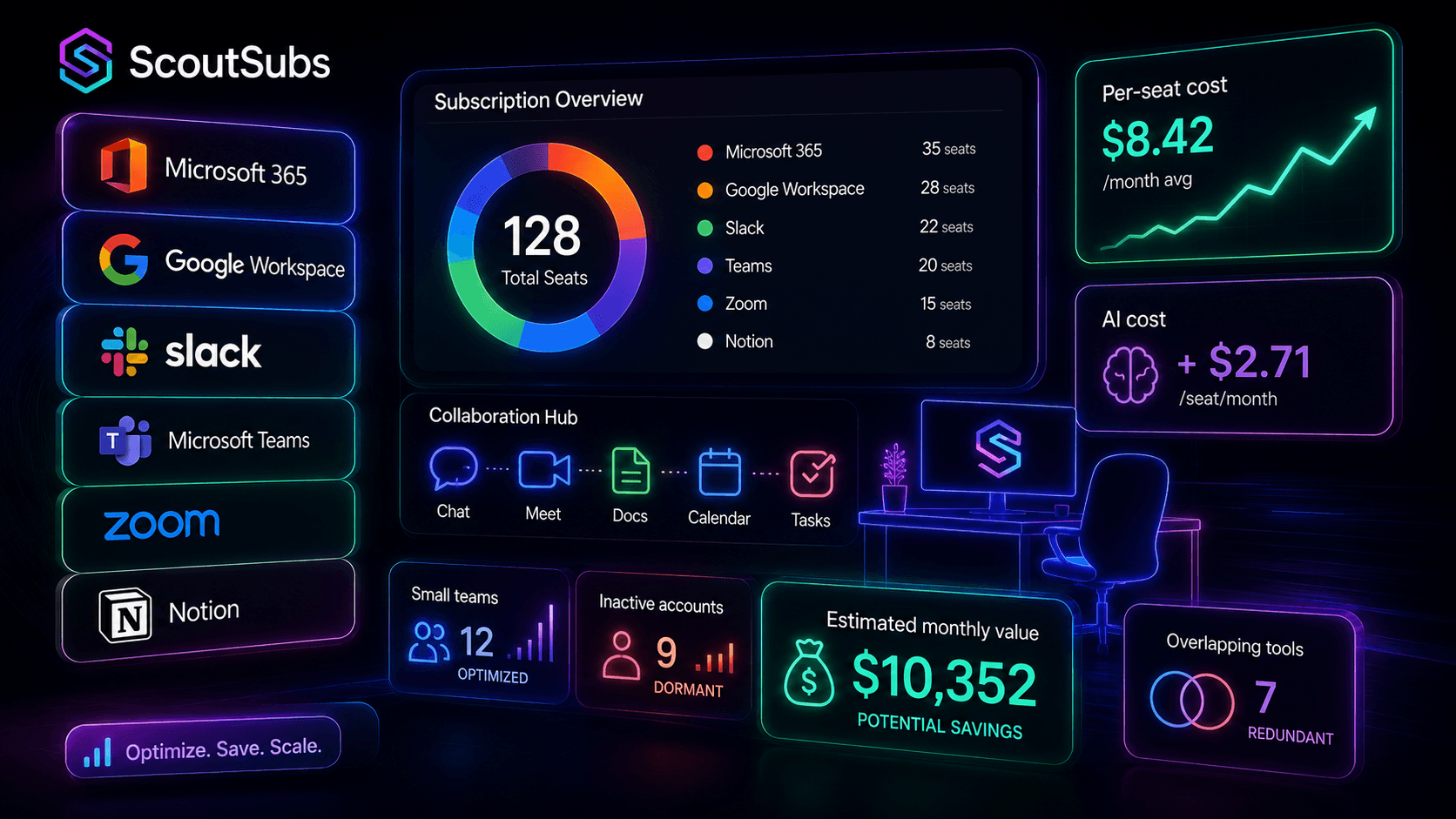
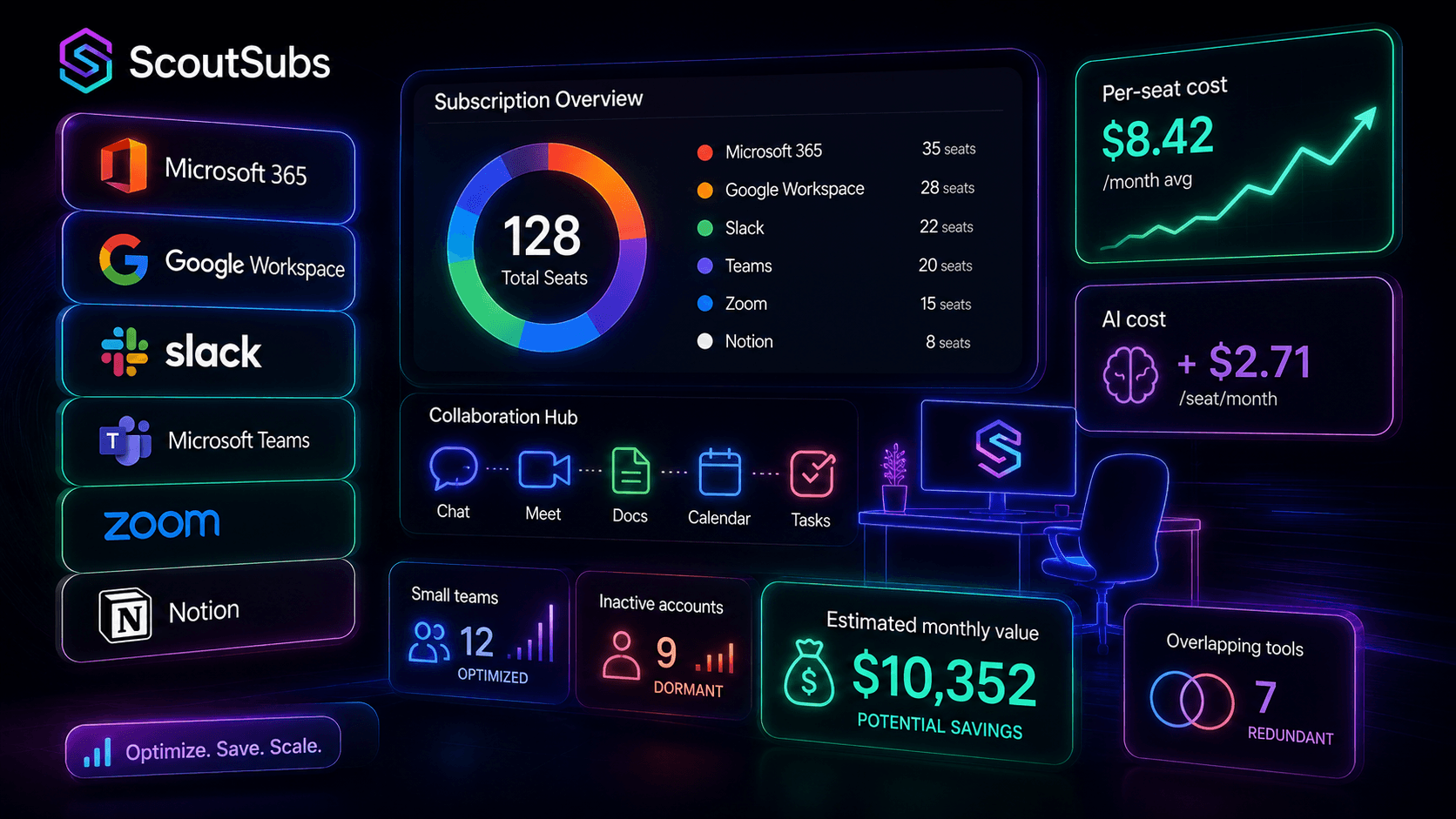
The products have expanded into one another
Slack is no longer only chat, Microsoft Teams is no longer only the meeting button inside Office and Zoom Workplace is no longer only video calls. Each product now offers some mix of messaging, meetings, clips, documents, search and AI assistance.
That expansion is convenient until a company pays for three overlapping histories, three sets of guests and three places where decisions can disappear.
Choose the system of record first
The safest cancellation starts by naming where durable work lives. If project decisions, files and searchable conversations live in Slack, it may remain the collaboration hub while Zoom is retained only for external meetings. If the company already runs Microsoft 365, Teams can often carry chat and internal meetings without another full paid layer.
The system of record should be the place new employees are trained to search. Without that rule, cancelling a tool simply moves confusion elsewhere.
Keep specialist value where it is real
Zoom may still earn its fee for organizations that depend on reliable external events, webinars, phone features or a familiar guest experience. Slack may earn its fee through integrations and channel-based work that Teams users do not adopt. Teams may earn its place through identity, compliance and Office integration.
The goal is not to force every feature into one vendor. It is to stop paying twice for features that users treat as interchangeable.
Run a 30-day duplication audit
Measure active users, meeting minutes, messages, recordings and guest activity in each tool. Then ask teams where they would go to find a decision from last month. Low activity plus a weak answer is a strong cancellation signal.
Before removing a service, export required data and test external workflows. A cheap cancellation becomes expensive if customer calls, recordings or compliance records are lost.
ScoutSubs verdict
Most small teams need one primary collaboration hub and, at most, one specialist meeting product. Keep the platform where work is searchable and governed; downgrade the product that is used mainly because an old calendar link still exists.