Coding assistants have moved beyond autocomplete
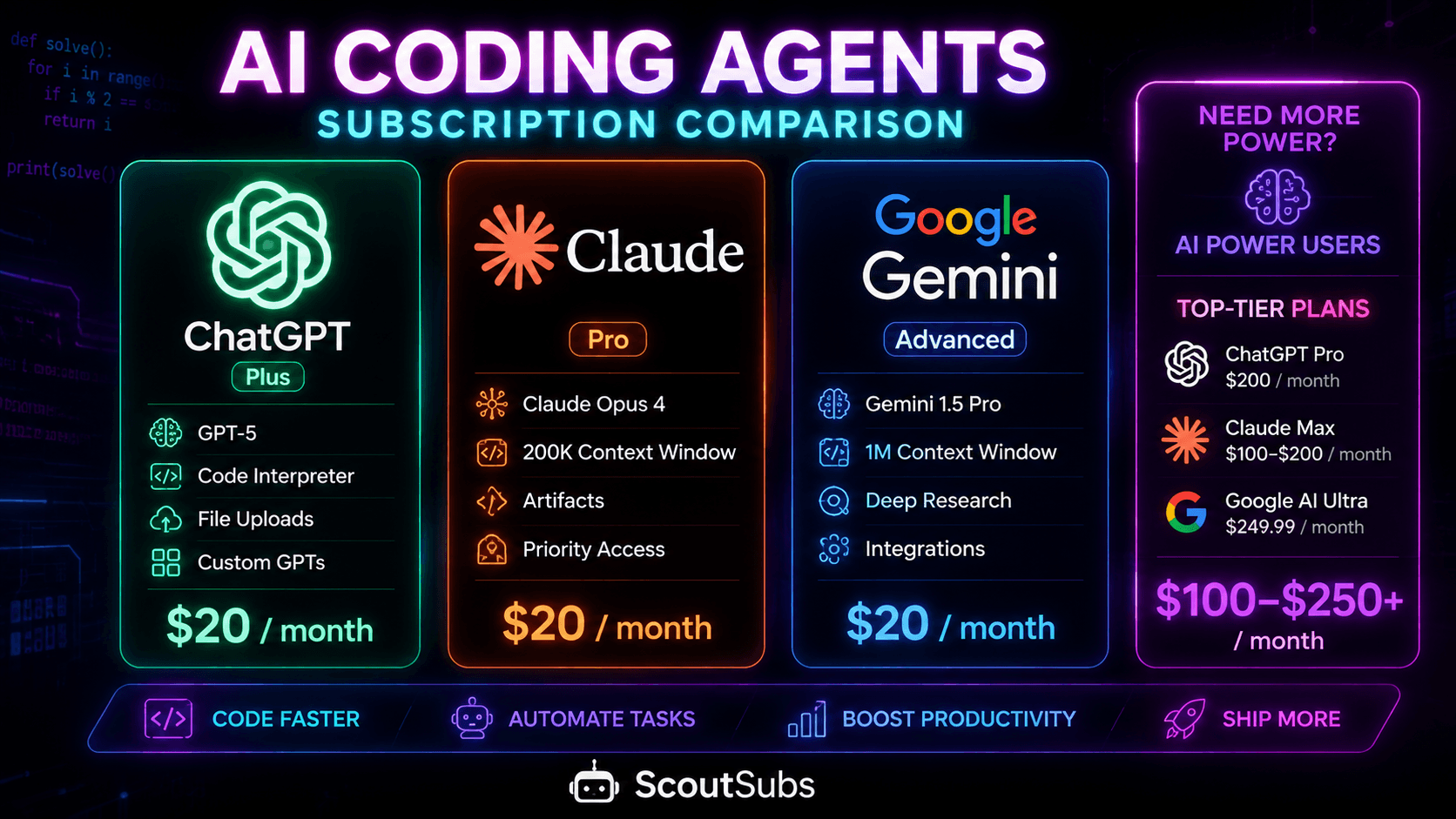
The first generation of coding subscriptions was easy to understand: pay per developer for suggestions inside an editor. Agent-style tools now inspect repositories, run commands, write tests and work through multi-step tasks. That can create much more value, but it also consumes more compute and introduces new billing rules.
A team that compares only seat prices may miss the larger charge created by heavy agent use. A team that compares only token prices may miss the human time still required to review, test and repair the output.
Measure merged work, not generated code
Lines of code are a poor unit because more code can mean more maintenance. A better scorecard counts accepted pull requests, resolved defects, completed migrations or hours removed from repetitive work. The agent’s cost should include both the subscription and the developer time spent supervising it.
That calculation often reveals two different use cases. Small, well-defined tasks can be economical even on a usage-based plan. Open-ended work across a messy codebase can create long sessions, repeated context loading and unpredictable review time.
Understand the billing layer
OpenAI publishes task-oriented Codex credit rates for flexible usage, while Anthropic combines Claude plan access with usage rules that vary by product and account type. Both approaches can work, but teams should enable spend controls before a tool becomes part of the delivery pipeline.
Ask whether credits are included per seat, shared across the organization or purchased separately. Also check what happens at the limit: a hard stop is disruptive, but an automatic overage can be expensive.
A sensible pilot has a narrow boundary
Choose one repository and three recurring task types. Track the agent cost, review time and defect rate for four weeks. Do not judge the tool on a dramatic demo or on the most enthusiastic engineer’s personal workflow. The goal is to find repeatable work where the tool is both faster and safe enough to trust.
Security and data controls also belong in the purchase decision. A cheap agent is not cheap if it requires the team to bypass normal access, audit or code-review rules.
ScoutSubs verdict
AI coding agents are worth paying for when they reduce cycle time on repeatable work and the team can see the spend as it happens. Buy capacity for a measured workflow, not unlimited possibility. The strongest plan is the one that lets engineering managers connect the invoice to shipped work.