The budget needs a boundary
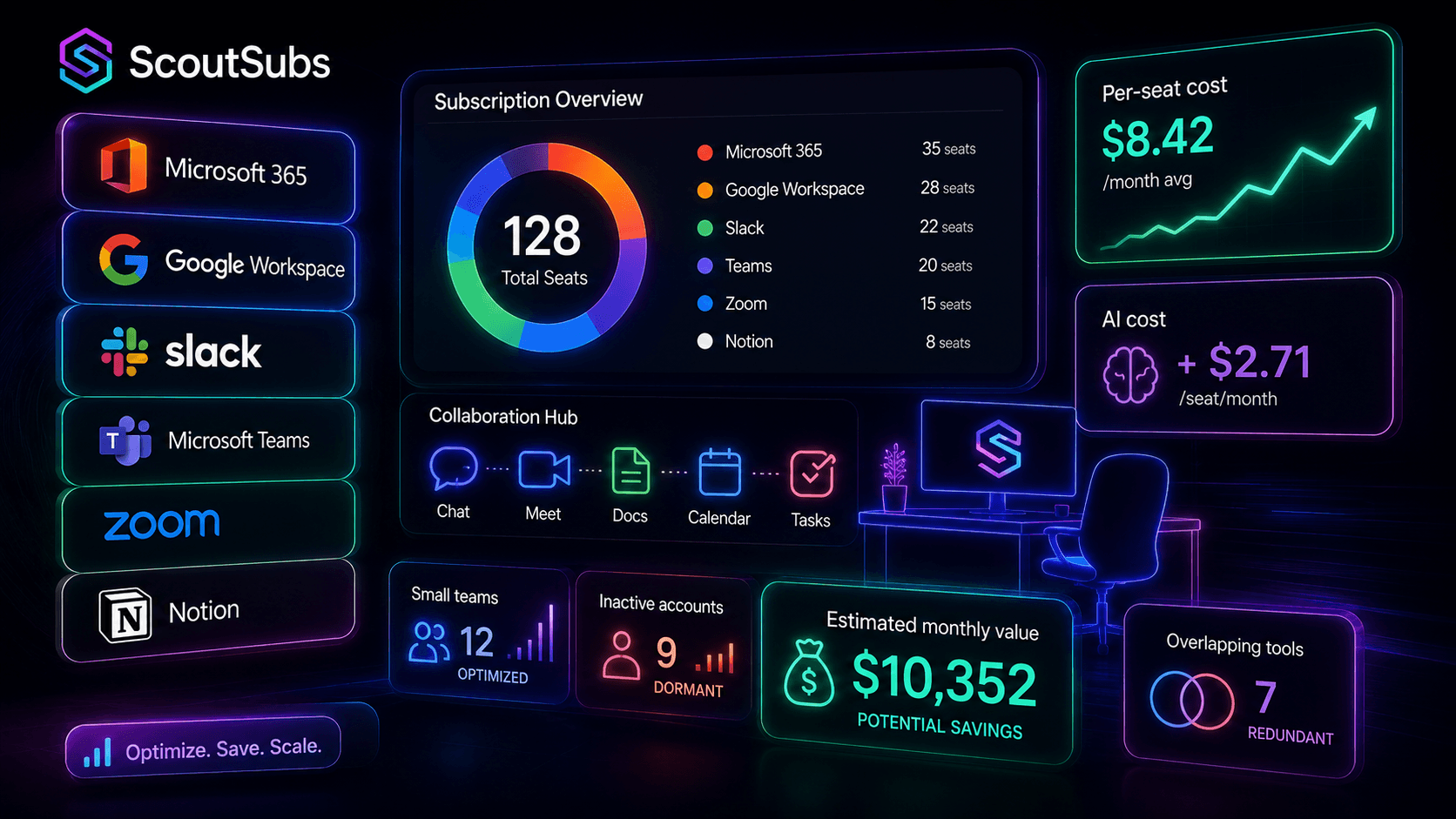
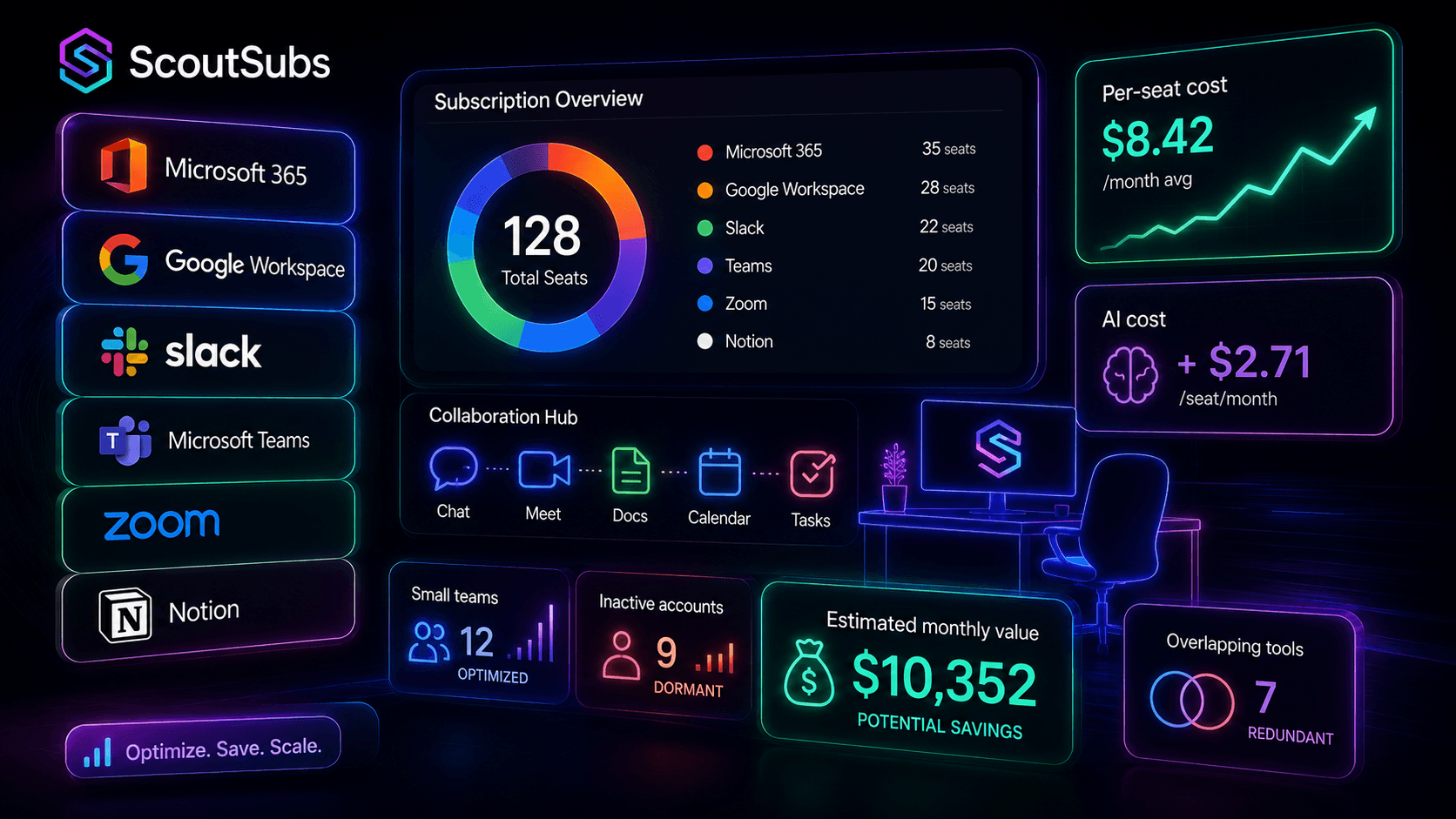
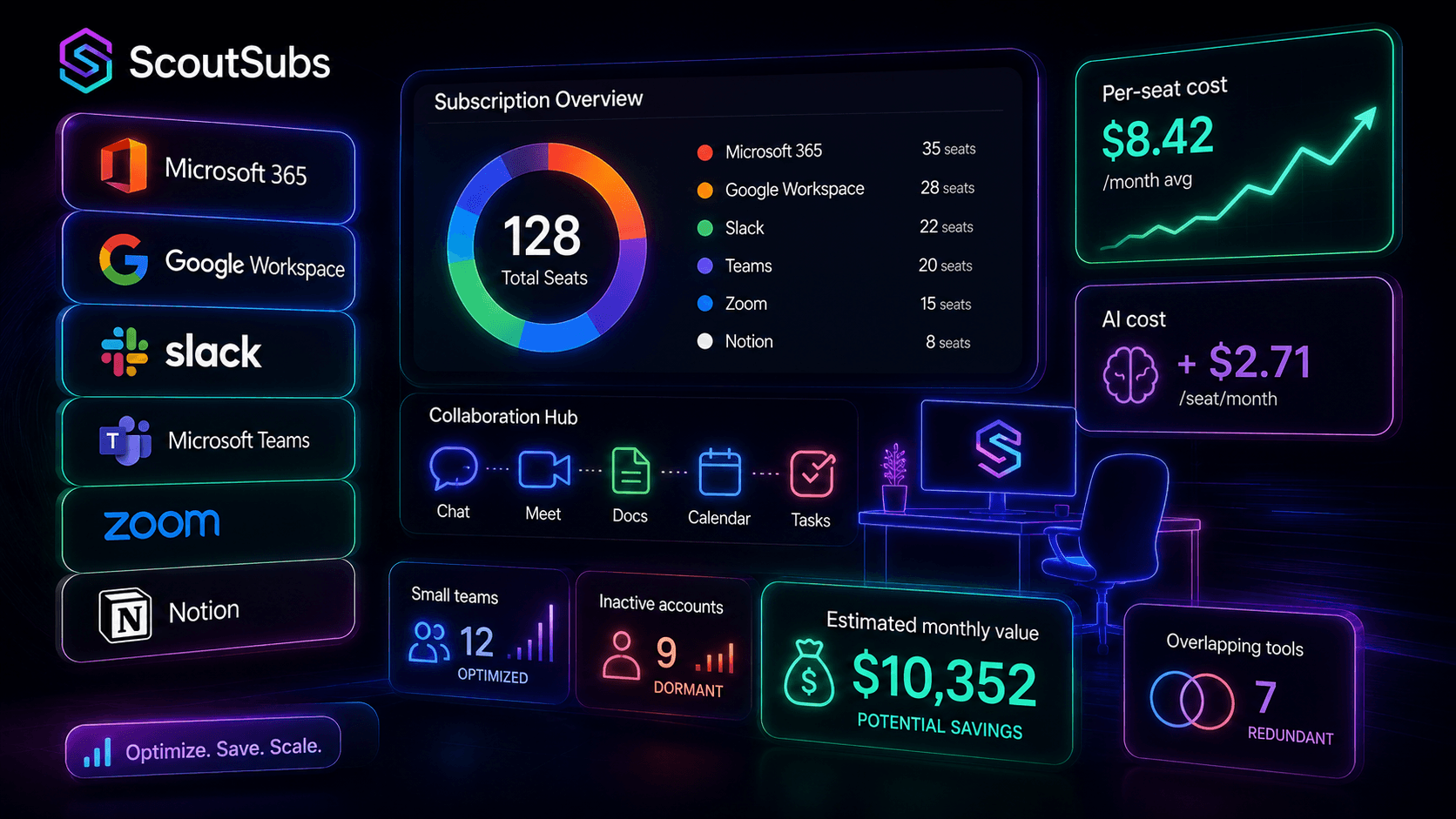
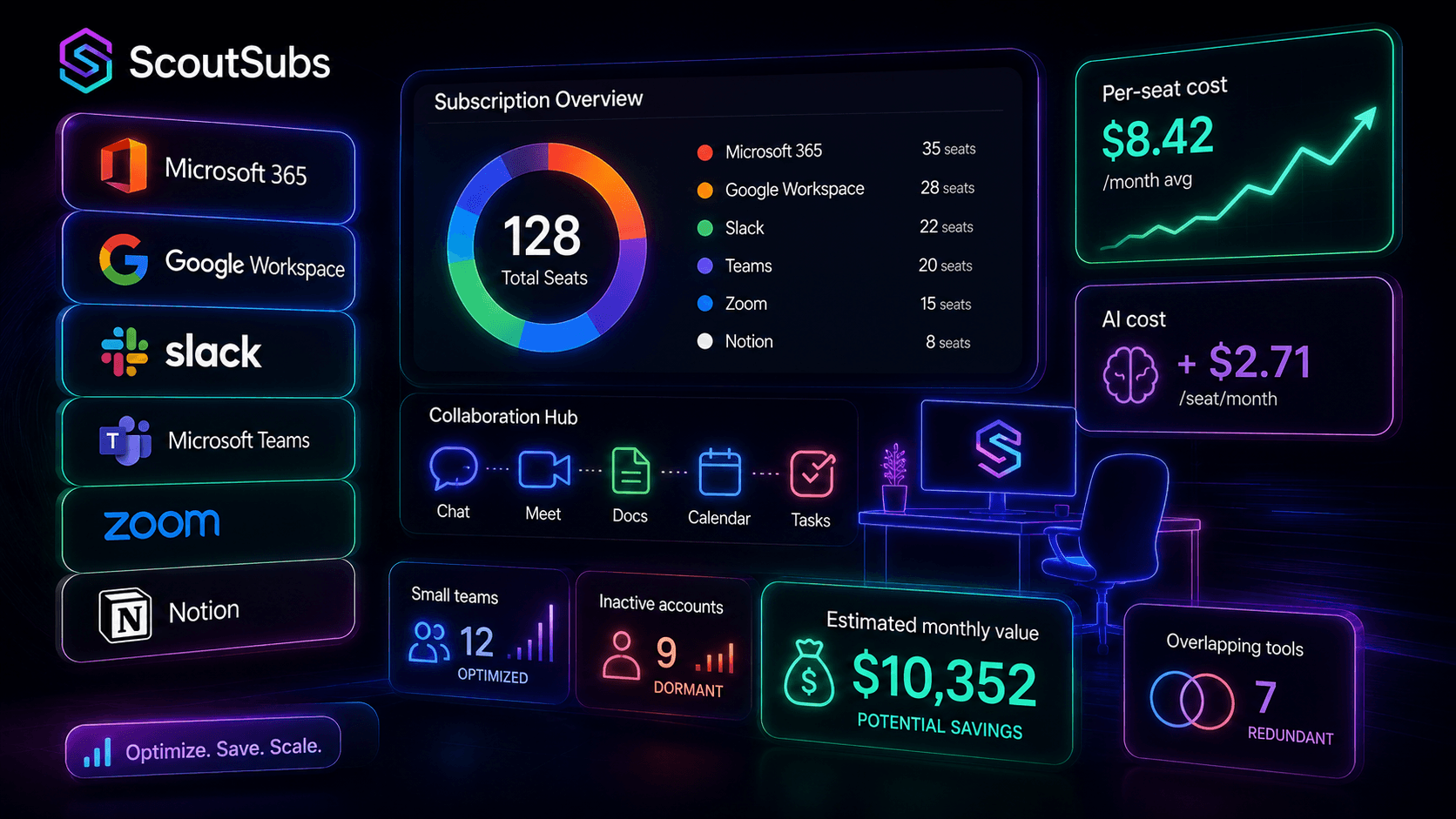
Small teams often assemble software one trial at a time. The result can exceed $50 per person before accounting, CRM or security tools are added. A $30 target forces the business to decide which platform owns documents, communication and meetings.
Prices vary by country and billing term, so the combinations below are frameworks rather than checkout quotes. The rule is more important than the exact total: one paid product should not duplicate another paid product’s main job.
Setup one: browser-first collaboration
Use Google Workspace Starter or Standard as the core for email, files, meetings and documents. Add Notion only for roles that need structured knowledge or project databases, and keep team chat in Google Chat unless Slack’s integrations are essential.
This setup is strongest when the company works in the browser and external partners are comfortable with Google files. It weakens when advanced desktop Excel or PowerPoint compatibility is non-negotiable.
Setup two: Microsoft-first operations
Use Microsoft 365 Business Basic for web-based teams or Business Standard for roles that need desktop Office. Keep Teams as the default internal chat and meeting tool. Add a separate product only for a defined specialist need, such as large webinars or design collaboration.
This approach can look less fashionable than a collection of best-of-breed apps, but integrated identity and fewer paid seats often produce a lower operating cost.
Setup three: free core plus specialist spend
Very small teams can combine free communication and document tiers with one paid specialist product—for example, Figma Professional for design or Zoom Workplace Pro for a client-facing host. This works only while free-tier limits remain acceptable and the team has a clear backup for data export and ownership.
Do not build a critical workflow on a free plan without understanding history, storage and admin restrictions.
ScoutSubs verdict
Choose the suite that can own email, files and everyday meetings, then spend the remaining budget on the one specialist workflow that creates revenue. Review the stack every quarter. A lean stack is not a permanent product list; it is a rule against silent duplication.