Seat counts drift quietly
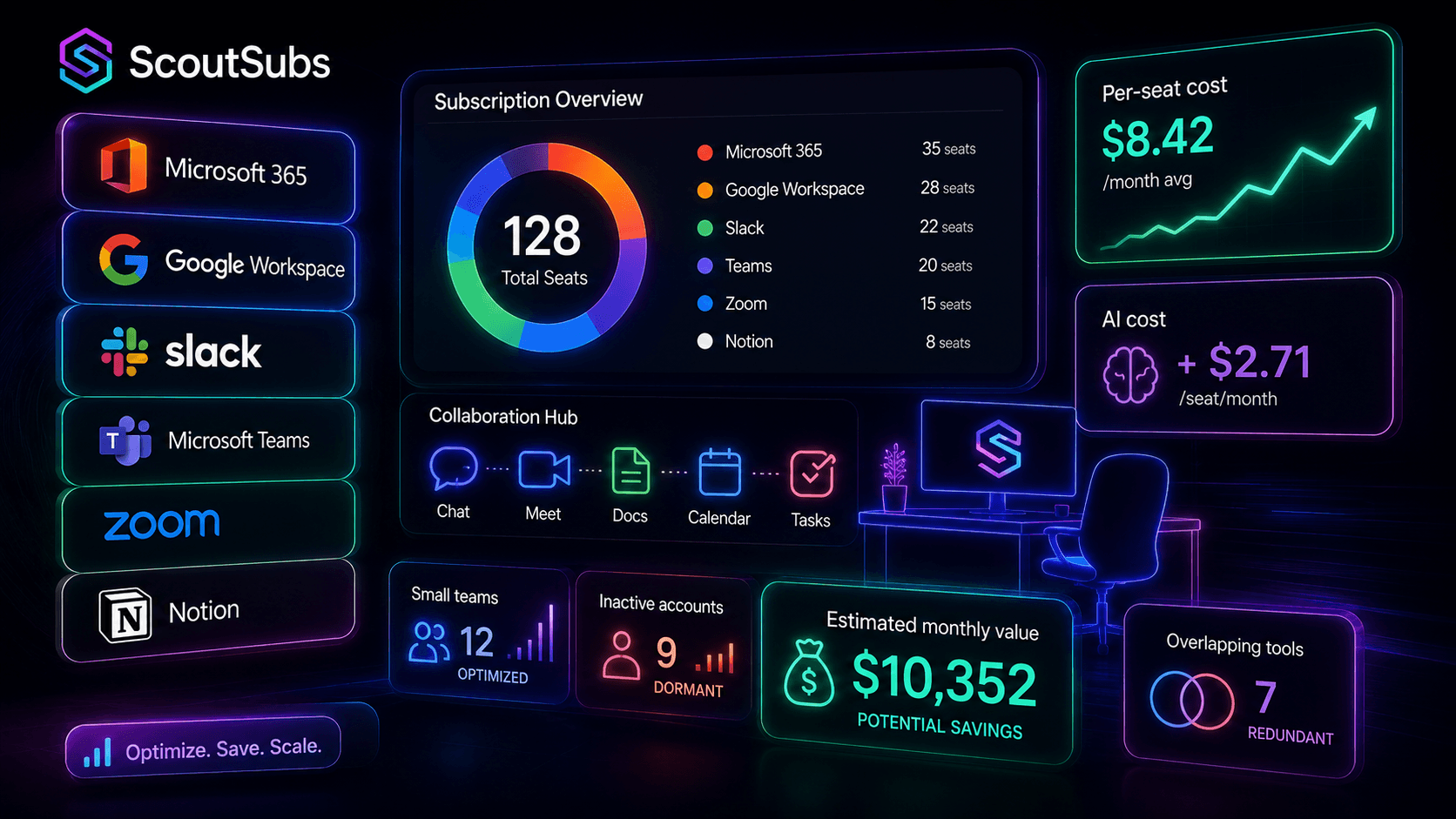
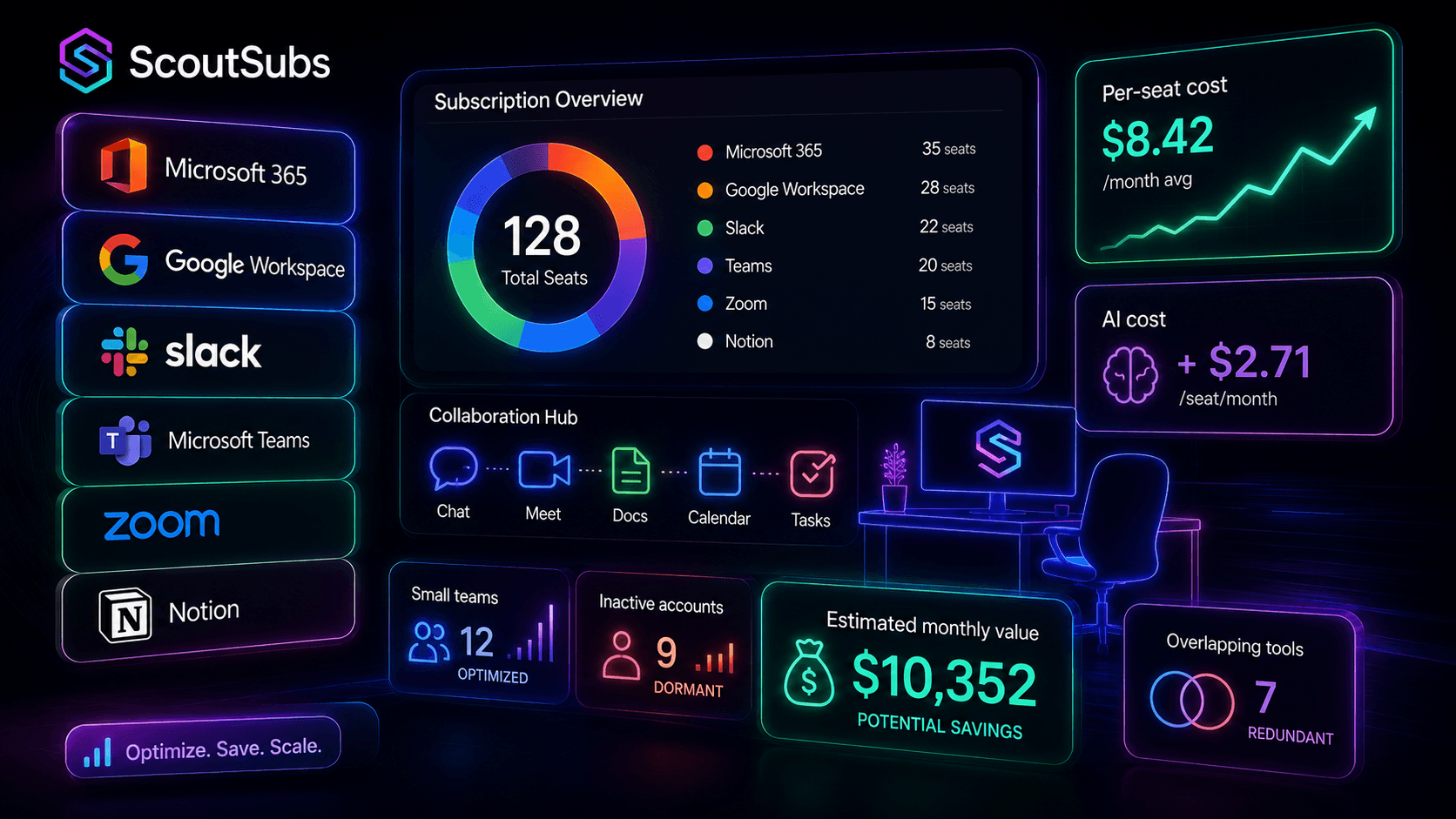
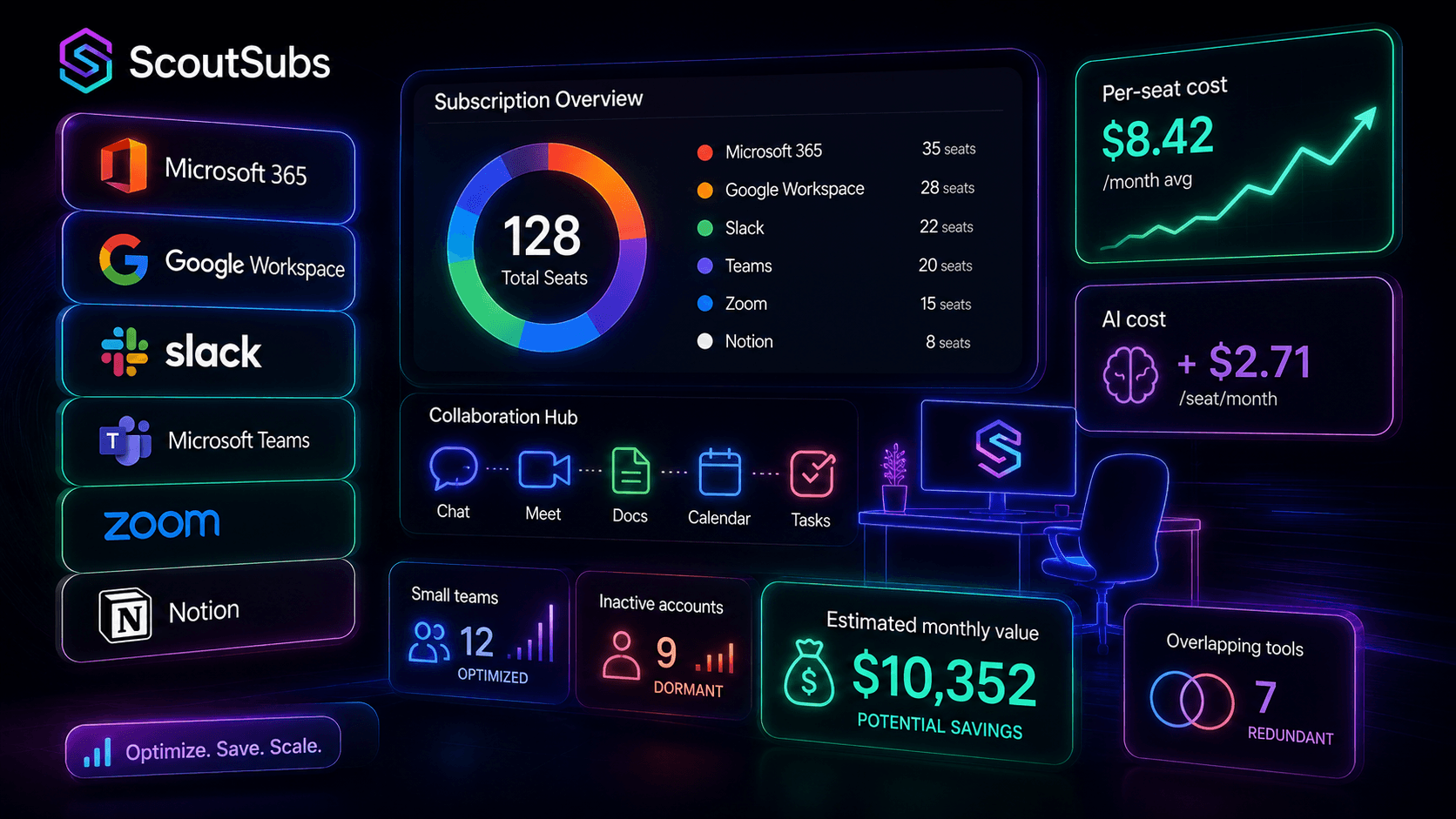
A software rollout begins with a clean list of employees. Months later, the bill may include former staff, temporary contractors, duplicate accounts, test users and guests who were upgraded for one project. Annual contracts make that drift easy to ignore because the charge is not visible every month.
A per-seat increase gets attention, but unused seats can cost more than the increase itself.
Match every licence to a current role
Export the billing roster and add three fields: manager, last active date and business purpose. Any seat without an owner should be reviewed. Any person who has not signed in for 60 or 90 days should be checked against leave, seasonal work and compliance requirements before renewal.
Do not assume a cheaper guest role is always appropriate. Some products restrict history, exports, admin controls or collaboration for guests, and converting an employee to a guest may create security problems.
Watch for automatic upgrades
Several collaboration and design tools allow admins to approve, automatically assign or retrospectively bill for upgraded access. Review the settings that control self-service purchases, trial conversions and seat requests.
A clear approval path is better than blocking every request. Employees often upgrade because a deadline exposed a real need; the problem is when the temporary need becomes a permanent annual seat.
Use reclaimable pools for irregular work
For contractors and project-based teams, keep a small pool of full seats that can be reassigned. Document what data stays with the account and how ownership transfers when a person leaves.
The same principle applies to premium AI and creative credits. High-cost access should follow the work, not remain attached to the first person who asked for it.
ScoutSubs verdict
Run a seat audit 45 days before every annual renewal. Remove accounts with no owner, convert genuinely limited collaborators to the correct role and turn off automatic upgrades unless a budget owner approves them. Licence hygiene is usually safer than a platform migration and produces savings immediately.